Driverless cars may worsen the organ shortage, but science has answers
Share
When the fleets of driverless cars start rolling out, they’re expected to decrease road deaths.
Humans cause an estimated 94 percent of road fatalities, and autonomous vehicles will likely lower that rate. But there’s a catch.About 1 in 5 organs used for transplants come from car crash deaths. If self-driving cars mean fewer people die behind the wheel, what does that mean for the organ shortage?
Roughly 6,500 people in the U.S. die waiting for an organ transplant every year. That doesn’t even include those cut from the list because they’re “too sick.”

Featured Publications
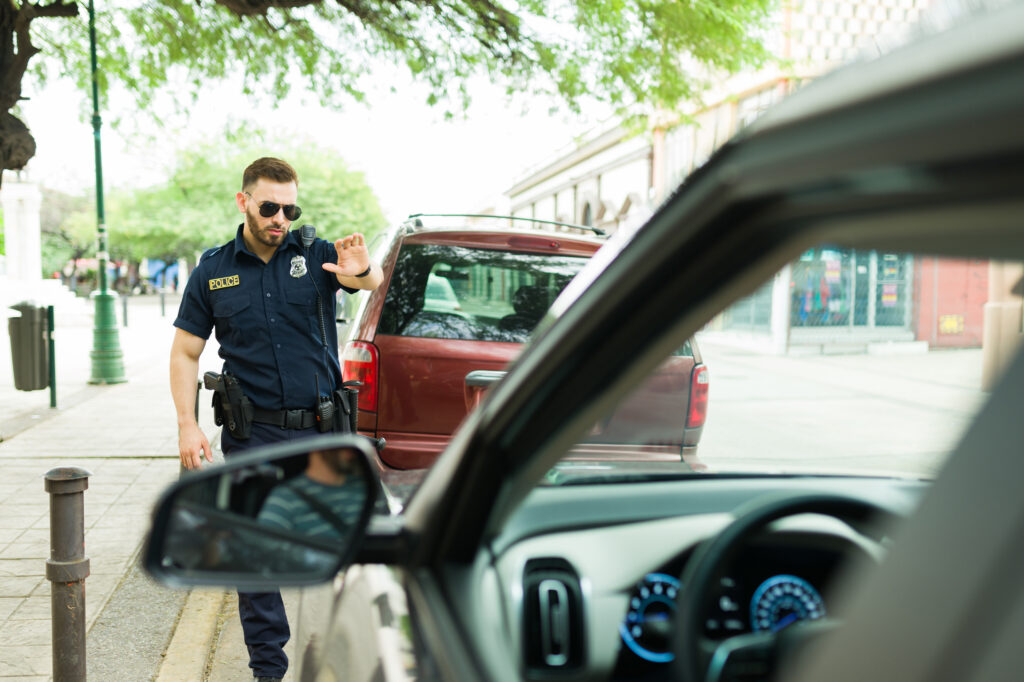
Examining the DOJ’s National Standards for Law Enforcement De-Escalation Training
BAAJA Blast Part 1: What Does Permitting Reform Mean for Energy and Natural Resources?
Low-Energy Fridays: Is the future of the grid off the grid?
Separating Private Selections from Public Elections Part 3: How could a privatized-party system affect general elections?
Election Policy Landscape Stabilizes as Midterms Approach Part 2: Voter Identification
Lawfare or Justice? Understanding American Prosecution Part 1 — Where Did America’s System of Prosecution Come From?
The Certification Bottleneck: How the U.S. Government Is Slowing Its Own Post-Quantum Migration