

Ending the Cigarette Century: What Sweden, Japan, and New Zealand Reveal About Accelerating the Global End of Smoking
Author

Table of Contents
- Executive Summary
- Introduction: A Stalled Global Epidemic
- Sweden: A Half-Century of Substitution Results in Smoke-Free Status
- Japan: One of the Steepest Declines in Cigarette Sales in a High-Income Market
- New Zealand: Consumer-Access to Vaping, an Equity Endgame, and a Reversal
- Policy Recommendations: A Playbook for Accelerating the End of Smoking
- Conclusion
Media Contact
For general and media inquiries and to book our experts, please contact: pr@rstreet.org
The global tobacco epidemic is not a force of nature. It is a market, sustained by specific regulatory choices and capable of being unmade by others. The countries that have moved fastest toward the end of smoking have allowed risk-proportionate substitution to do work that cessation services and price increases alone could not. Sweden, Japan, and New Zealand show that the goal is achievable—and that further delay is itself a choice with a measurable cost in human lives.
Executive Summary
Tobacco remains the leading preventable cause of premature death worldwide, and although global smoking prevalence has declined under the World Health Organization Framework Convention on Tobacco Control, the pace of progress remains too slow to prevent hundreds of millions of additional smoking-attributable deaths this century. Conventional tobacco-control measures—taxation, smoke-free laws, advertising restrictions, youth-access limits, and cessation support—remain essential, but they have not been sufficient to rapidly displace combustible cigarettes in many countries. The key question for the next phase of tobacco policy is whether governments will continue to regulate all nicotine products equally or whether they will deliberately allow noncombustible alternatives to compete with cigarettes for adults who smoke.

A growing body of evidence supports the public health rationale for tobacco harm reduction. Noncombustible nicotine products do not eliminate all risk, and they require strong safeguards against youth uptake and non-smoker initiation, but they can substantially reduce exposure to the toxicants created by combustion.
Despite this benefit, some jurisdictions have banned or heavily restricted lower-risk products while continuing to permit cigarettes, creating regulatory systems in which the most dangerous nicotine product is often the most available.
This policy study examines Sweden, Japan, and New Zealand as three imperfect but instructive observational comparison in accelerating the decline of combustible smoking. We chose to focus on these three countries because each followed a different route for reducing combustible cigarette smoking, but they all share the common approach of pairing conventional tobacco-control measures with legal access to at least one satisfying noncombustible alternative. Sweden substituted combustible cigarettes with low-nitrosamine snus, and later nicotine pouches and regulated electronic cigarettes, resulting in some of the lowest smoking prevalence and tobacco-attributable mortality rates in Europe; Japan saw one of the steepest cigarette-sales declines documented in any high-income market after heated tobacco products entered the market in 2014; and New Zealand built an equity-driven, consumer-access framework integrated with cessation services and linked to Māori health and the Smokefree 2025 goal that drove sharp declines in smoking rates, though its most ambitious endgame measures were repealed before taking effect.
Taken together, the lessons from these cases point to a practical playbook for governments seeking to accelerate the end of smoking: regulate nicotine products according to risk so that the highest-risk combustible cigarette products become the most expensive, least convenient, and least socially acceptable options and the lower-risk, noncombustible alternatives become more attractive from a cost, convenience, and health perspective, while still minimizing youth and nonsmoker uptake.
Introduction: A Stalled Global Epidemic
Tobacco remains the leading preventable cause of premature death worldwide, though estimates of the annual related death toll differ depending on the factors considered. The World Health Organization (WHO) reported the annual global toll at more than 7 million deaths in 2025, factoring in all tobacco use, including secondhand smoke and smokeless products, whereas the Global Burden of Disease (GBD) program, which counts smoking alone, attributed approximately 5.81 million deaths to tobacco in 2023.[1] The GBD analysis estimated that 1.10 billion people aged 15 and older were current smokers, and the WHO data suggested that roughly 80 percent of these individuals live in low- and middle-income countries where the burden of disease is heaviest.[2] On current trajectories, experts project hundreds of millions of additional smoking-attributable deaths over the next several decades.[3]
Countries have worked to address this issue, as reflected by the WHO’s adoption of the Framework Convention on Tobacco Control (FCTC) treaty in 2005.[4] Since then, the global number of tobacco users has steadily decreased, even as the world’s population has grown.[5] The October 2025 WHO global trends report calculated that the number of adult users fell from approximately 1.38 billion in 2000 to 1.2 billion in 2024—a roughly 27 percent relative reduction.[6] Female prevalence has dropped from about 11.0 percent in 2010 to 6.6 percent in 2024, and male prevalence—while it remains much higher—dropped from about 41.4 percent to 32.5 percent.[7] Importantly, these rates vary based on global region.[8] The European region, for example, currently has the highest levels of adult smoking at roughly 24.1 percent of the population—a reality expected to hold true through 2030.[9]
Despite these positive strides, smoking remains entrenched across much of the world. So much so that some researchers and former WHO officials now argue that the FCTC’s reliance on conventional demand-reduction measures may no longer be enough, especially in the low- and middle-income countries where most smoking deaths occur.[10]

One of the core questions at the heart of this argument is whether governments should view noncombustible nicotine products as a means to substantially reduce toxicant exposure or risk relative to combustible cigarettes.
A growing body of evidence supports the value of harm reduction strategies, which provide those who smoke with access to viable, alternative, noncombustible nicotine products.[11] Bolstered by this research, the United Kingdom’s Royal College of Physicians estimated in 2016 that the hazard to health arising from the long-term use of nicotine vaping products was significantly lower than the harm from smoked tobacco and established that promoting vaping to existing smokers would be consistent with the College’s harm reduction tradition.[12] The College’s 2024 update retained the view that electronic cigarettes can help reduce the burden of tobacco use, while also calling for policies that would reduce the appeal, availability, and affordability of these products to children, young people, and never-smokers.[13] Current research also supports the use of harm reduction to improve combustible cigarette quit rates. The Cochrane living systematic review classifies the finding that nicotine electronic cigarettes increase combustible smoking quit rates over nicotine replacement therapy as “high-certainty,” with a risk ratio of approximately 1.59.[14]
Despite this evidence, successive Conferences of the Parties (COP) to the WHO FCTC have invited participants to consider prohibiting or otherwise regulating electronic nicotine and non-nicotine delivery systems, including placing restrictions on manufacture, importation, distribution, presentation, sale, and use; no COP decision to date has recognized regulated reduced-risk products as a formal pillar of the tobacco-control response.[15] The result of this mixed messaging is a global patchwork of tobacco control approaches in which the restriction of reduced-risk products often exceeds the evidence base. For example, India banned electronic cigarettes outright in 2019 even as combustible bidi and cigarette sales continued.[16] Similarly, from October 2021 until reforms in late 2024, Australia operated a prescription-only model that required a doctor’s authorization for legal nicotine-vaping access and that was associated with a large illicit market and a slower decline in adult smoking.[17] In addition, more than 30 jurisdictions, including India, Brazil, Panama, Singapore, Thailand, and Hong Kong, have prohibited the sale of vaping products entirely, often while continuing to permit cigarettes.[18] Notably, Bhutan, which had banned cigarette sales since 2004, reversed course in 2021 after the prohibition contributed to a flourishing illicit market and complicated COVID-era border controls.[19] Across these jurisdictions, the evidence base supporting blanket prohibition of safer alternatives is thin, while the cigarette market continues to contribute to preventable mortality.
Against this backdrop, three countries stand out for accelerating their declines in combustible smoking by embedding noncombustible alternatives into their policy mixes. First, in 2024, Sweden became the first European country in which a major national subgroup, the Swedish-born adult population, crossed the 95 percent smoke-free threshold widely used as a benchmark of a smoke-free society.[20] Importantly, this achievement was the product of a half-century in which oral tobacco, modern nicotine pouches, and regulated electronic cigarettes filled the space that cigarettes had otherwise occupied.[21] Second, Japan recently recorded one of the steepest documented cigarette-sales declines in a high-income market after heated tobacco products entered in 2014, while nicotine-containing electronic cigarettes remained effectively prohibited.[22] Third, New Zealand combined an explicit equity-driven endgame agenda with a regulated consumer-access vaping framework but then had its newly incoming government repeal the most ambitious endgame provisions before they took effect.[23] Each of the distinct approaches serves as an imperfect natural experiment, illustrating the different ways that risk-proportionate regulation can compress timelines in smoking declines. Although these case examples cannot prove causality in the way a randomized trial could, they offer the opportunity to observe how different policy approaches might affect combustible smoking rates in different ways.
This paper examines each of these three cases in detail, looking at the products involved, the policies that reinforced them, and the cultural conditions that made substitution possible. Importantly, throughout this analysis, we distinguish among daily-smoking prevalence, cigarette-sales volumes, and broader tobacco-use measures, which can move in different directions and should not be conflated. By examining the development and results of different tobacco-related policies in these cases, we draw out and discuss four key lessons for governments seeking to accelerate the end of smoking: regulate nicotine products according to risk, integrate lower-risk alternatives into cessation pathways, design equity and price incentives deliberately, and pair adult access with youth protection and political durability.
Sweden: A Half-Century of Substitution Results in Smoke-Free Status

• Smoking History
In 1976, roughly 40 percent of Swedish men and 34 percent of Swedish women smoked daily.[24] By 2002, daily smoking had fallen to 15 percent of men and 20 percent of women, inverting the country’s historical sex-based smoking pattern.[25] This divergence reflected a uniquely Swedish product substitution: National surveys from 1988-1989 through 2004-2005 showed that in every adult male cohort, daily smoking had fallen sharply while daily snus use had risen by a comparable amount.[26] By 2024, daily smoking among Swedish adults aged 16 to 84 was estimated at 5.4 percent overall and 4.5 percent among the Swedish-born subgroup, making Swedish-born adults the first national subgroup in the European Union (EU) to cross the widely used 95 percent smoke-free threshold; daily cigarette smoking was only 2 percent among those aged 16 to 29.[27] Even these numbers might be a slight underestimate, as a 2025 survey used a different sampling frame and calculated that the overall national smoking rate had dropped below 5 percent.[28] Although these figures put Sweden far ahead of other EU countries on daily cigarette smoking, combustible cigarette–free should not be conflated with tobacco-free, as much of the population uses snus and nicotine pouches regularly.
• The Catalyst
No single statute initiated Sweden’s decline in cigarette smoking; the catalytic event was a consumer-led behavioral substitution. Beginning in the 1970s and 1980s, Swedish men quitting or avoiding cigarettes increasingly turned to snus, a pasteurized, low-nitrosamine oral tobacco that delivers nicotine without combustion.[29] After this behavioral catalyst, a decisive enabling policy condition took place in 1995 when Sweden joined the EU and secured a permanent exemption from the bloc’s 1992 ban on oral tobacco sales—a carve-out that preserved a legal harm reduction pathway that no other member state obtained.[30] The effect was substantial. Roughly 30 percent of male ex-smokers used snus as their primary cessation aid, and men who initiated tobacco use with snus were considerably less likely to progress to cigarettes than those who began with cigarettes.[31]
• Reinforcing Policies
Substitution did not occur in a regulatory vacuum. A series of measures made cigarettes progressively less attractive over the same decades: The Tobacco Act of 1993 consolidated advertising restrictions and health warnings, legislation established a minimum purchase age of 18 in 1997, a national quit line began in 1998, and a comprehensive advertising ban took effect in 2005.[32] The Swedish SimSmoke simulation attributed declines between 1980 and 2010 to taxation, smoke-free air laws, and youth-access restrictions and concluded that the parallel availability of snus produced reductions beyond what conventional policy alone could have achieved.[33] Product standards reinforced the shift as well. The GothiaTek voluntary manufacturer standard sets maximum levels for tobacco-specific nitrosamines, heavy metals, and other unwanted constituents in Swedish snus.[34] Two later innovations that coincided with an accelerated post-2015 trajectory were the regulated entry of electronic cigarettes in 2015 and the rapid uptake of tobacco-free nicotine pouches starting in 2018.[35] Notably, female daily smoking, historically slower to decline than male, fell substantially over the same window in which tobacco-free pouches became widely available.[36] This association is consistent with, though not a definitive demonstration of, a substitution effect among women for whom traditional snus had been less culturally accessible.
• Cultural and Socioeconomic Context
Sweden’s nicotine product substitution was possible in part because the cultural template was already in place. Oral tobacco products had a long history of use in the country before combustible cigarettes became popular, so the practice of using nicotine without combustion was familiar long before modern public health campaigns began.[37] Thus, the product was known, socially acceptable, and a predominantly male habit—making it a natural noncombustible substitute for the largely male smoking population.[38] Economics also reinforced the transition. High excise taxes made cigarettes sold in Sweden among the most expensive in Europe, while snus was taxed at a lower effective rate, preserving a price incentive to switch.[39] Daily smoking rates also varied significantly based on education levels—11 percent of adults in Sweden with less than a secondary education smoke daily, compared with 3 percent of those with a post-secondary education.[40]
• Safeguards and Regional Contrast
Sweden’s framework is best understood as risk-proportionate by design. Swedish law taxes combustible products at a higher rate than noncombustible nicotine products, restricts combustible cigarette marketing more tightly than lower-risk products, and maintains common areas like outdoor restaurant seating, playgrounds, bus stops, and train platforms as smoke-free environments.[41] The country has also extended its 18-year age limit to all nicotine products and restricted the marketing of snus and tobacco-free pouches but does not impose a broad flavor ban on snus or pouches, or cap nicotine content in traditional snus; pouch nicotine concentrations are addressed through product notification, labeling, and youth-marketing rules.[42]

The Swedish achievement is best viewed as a dual-track strategy: make smoking unattractive, restricted, and abnormal but permit culturally embedded, noncombustible alternatives to compete with cigarettes under product standards and age restrictions. This approach has resulted in the country having some of the lowest smoking prevalence and tobacco-attributable mortality levels across Europe.[45]
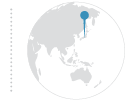
Japan: One of the Steepest Declines in Cigarette Sales in a High-Income Market
• Smoking History
Postwar Japan carried one of the heaviest cigarette burdens among high-income nations. Daily smoking among men reached a peak of 83.7 percent in 1966, while female prevalence stayed much lower (around 16 percent), shaped by strong social conventions against women smoking in public.[46] Habitual smoking among adults fell from 46.8 percent of men and 11.3 percent of women in 2003 to 27.1 percent and 7.6 percent in 2019, equating to an overall adult smoking rate of 16.7 percent.[47] The pace of decline in smoking rates in Japan was gradual relative to comparable economies until heated tobacco products entered the consumer market in 2014. After that, total cigarette sales fell by approximately 52.7 percent between 2011 and 2023, while heated tobacco stick sales rose from zero in 2014 to roughly 50 billion units by the early 2020s.[48]
• The Catalyst
Philip Morris International launched IQOS as a test market in Nagoya in November 2014, expanded to 12 prefectures by September 2015, and completed a national rollout in April 2016.[49] Japan Tobacco then introduced Ploom TECH in March 2016, and British American Tobacco brought glo to market in December that same year. Within two years, Japan accounted for roughly 98 percent of global IQOS sales by volume.[50]
The regulatory environment was decisive in determining why heated tobacco products, rather than nicotine-containing electronic cigarettes, filled this substitution space. Under the Pharmaceutical Affairs Law and its successor, the Pharmaceuticals and Medical Devices Act, Japan classifies liquid nicotine as a pharmaceutical substance and has effectively prohibited nicotine-containing electronic cigarette sales since 2010.[51] However, heated tobacco products fall under the Tobacco Business Act and require no pharmaceutical approval.[52] A regional analysis tracking sales across 11 Japanese regions confirmed that combustible cigarette sales began to decline at the point of IQOS introduction in each region, and statistical checks ruled out most alternative explanations.[53]
• Reinforcing Policies
Japan bolstered its reductions in combustible cigarette smoking rates with two complementary tobacco control measures. First, tobacco excise tax increases in 2018 and 2020 applied to both combustible cigarettes and heated tobacco, and a longitudinal analysis found that these increases were associated with reduced rates of smoking relapse and increased cessation.[54] Second, the 2018 amendment to the Health Promotion Act, phased in from July 2019 through April 2020, extended mandatory smoke-free rules to schools, hospitals, restaurants, bars, and workplaces, although exemptions for small establishments left roughly one-half of the hospitality sector uncovered.[55] Notably, the law treated heated tobacco differently than combustible cigarettes by prohibiting cigarette-smoking-designated rooms from serving food and drinks, but allowing heated-tobacco-designated rooms to do so; this provided another practical advantage for switching.[56]
• Cultural and Socioeconomic Context
Japan was particularly receptive to the transition to heated tobacco products because the incumbent smoking culture was strong, gendered, and etiquette-oriented. The culture had normalized male smoking in workplaces and adult leisure settings, creating a large pool of middle-aged male smokers for whom switching could preserve the ritual while reducing smoke, ash, and odor. A historical penchant toward consumer electronics also facilitated the transition, with the highest rates of heated tobacco adoption occurring among men aged 20 to 39.[57] Another unique, Japan-specific circumstance is that the Ministry of Finance is required by law to hold at least one-third of Japan Tobacco’s issued shares—a structural feature that historically constrained tobacco-control ambition but also aligned Japan Tobacco’s competitive interests with the heated tobacco transition.[58] As a result, by the early 2020s, heated tobacco represented more than 36 percent of total domestic tobacco sales, among the highest shares recorded in any large economy.[59]
• Safeguards and Regional Contrast
South Korea offers the closest regional parallel to Japan. There, IQOS launched in June 2017, and the heated tobacco market share rose from 0.6 percent of tobacco sales to 10.5 percent by 2019 and 14.8 percent by 2022, compared with more than 36 percent in Japan during the same period.[60] The smaller substitution effect in Korea likely reflects a shorter product history and a legal electronic cigarette market that split the reduced-risk category in ways Japan’s regulatory structure did not permit. Taiwan, by contrast, maintained a comprehensive prohibition on heated tobacco until 2023, when amendments fully banned electronic cigarettes and required health risk assessment approval for designated tobacco products, leaving no legal noncombustible alternative to compete with cigarettes.[61] Across different areas of the region, the introduction of appealing noncombustible products initiated a sharper decline in cigarette sales than when such products were prohibited or blocked by monopolization.[62]
Japan is not a deregulation story. It is a case in which a legal tobacco product class expanded while nicotine vaping remained effectively outside ordinary commerce, smoke-free rules tightened, cigarette taxes rose, and a technology-forward substitute matched local preferences.
New Zealand: Consumer-Access to Vaping, an Equity Endgame, and a Reversal

• Smoking History
For much of the 20th century, Aotearoa New Zealand carried one of the heaviest smoking burdens in the developed world. The New Zealand Health Survey recorded adult daily smoking at approximately 16.5 percent in 2006-2007 and 16.4 percent in 2011-2012, after which the decline steepened, falling to about 13.3 percent by 2014-2015 and 8.0 percent by 2022-2023—more than halving in just over a decade.[63] The most recent 2024-2025 survey reports even further reductions to 6.8 percent, with the pace of decline slowing relative to earlier years.[64] These aggregate figures, however, conceal deep ethnic inequities. Daily smoking among Māori was approximately 37.3 percent in 2011-2012, fell to about 17.1 percent in 2022-2023, and stood at 15.0 percent in the most recent 2024-2025 survey.[65] This inequity is estimated to contribute roughly two years to the seven-year life expectancy gap between Māori and non-Māori.[66]
This decline in combustible cigarette smoking coincided with a rise in vaping. Adult daily vaping rose from approximately 2.6 percent in 2017-2018 to 9.7 percent in 2022-2023 to 11.7 percent in 2024-2025, with most daily vapers being current or former smokers.[67]
• The Catalyst
The pivotal political moment grew out of Māori community efforts. Throughout 2010, the Māori Affairs Select Committee conducted a comprehensive inquiry, receiving more than 260 submissions and 1,700 letters, documenting how the tobacco industry had deliberately targeted Māori.[68] In March 2011, the New Zealand government responded by formalizing its Smokefree 2025 goal, interpreted as striving for daily smoking rates below 5 percent across all population groups.[69]
• Reinforcing Policies
A series of measures followed to give the 2025 goal operational force. The Smokefree Environments and Regulated Products Amendment Act 2020 brought vaping into a regulated consumer-product framework that required product notification, child-resistant packaging, age limits, and advertising restrictions. It also established a two-tier retail system that allowed specialist vape stores to sell a full range of flavors while convenience retailers were limited to tobacco, mint, and menthol.[70] In addition, tobacco excise tax rose by at least 10 percent above inflation annually from 2010 through 2020, and the Vaping Facts campaign integrated vaping into national cessation pathways—a decision anchored in the Cochrane finding that electronic cigarettes increase quit rates compared with nicotine replacement therapy.[71]
These steps were all taken within the existing market, but in 2022, the New Zealand government passed the Smokefree Environments and Regulated Products (Smoked Tobacco) Amendment Act 2022 as an effort to end the combustible cigarette market altogether. The Act required that smoked tobacco products contain no more than 0.8 mg/g of nicotine, capped retail outlets licensed to sell smoked tobacco at no more than 600 nationally, and prohibited the sale of smoked tobacco to anyone born on or after Jan. 1, 2009—a measure known as the “smokefree generation provision,” which was scheduled to take effect on Jan. 1, 2027.[72] Simulation modeling projected that the package could drive daily smoking below 5 percent for most groups and substantially narrow Māori/non-Māori health inequities, with the near elimination of nicotine in smoked products contributing the most to the modeling.[73] However, the full legislative package did not survive a change of government. The coalition government elected in late 2023 repealed all three provisions through parliamentary urgency—unwinding the package on political rather than evidentiary grounds—and the Smokefree Environments and Regulated Products Amendment Act 2024 entered into force on March 6, 2024, before any “endgame” measure had taken effect.[74] What remained in the 2024 legislation were the minimum sales age of 18, tobacco excise, and the 2020 vaping framework.
• Cultural and Socioeconomic Context
The 2010 Māori inquiry was grounded in Treaty of Waitangi obligations, and community leaders framed the Tupeka Kore (tobacco-free) vision as a matter of cultural survival, giving tobacco control a legitimacy within Māori communities that purely biomedical approaches often lacked.[75] This narrative also illustrates the trade-off that adult-access vaping models must manage: Combustible cigarette smoking has declined sharply, but daily vaping has risen rapidly—in New Zealand’s case to about 509,000 adults in 2024-2025, with particularly high uptake among younger adults and Māori (the latter having daily vaping rates of 27.5 percent in 2024-2025).[76] That trajectory makes youth access, marketing, and retail controls central to a consumer-access vaping framework rather than optional safeguards.
• Safeguards and Regional Contrast
Despite the 2024 endgame repeal, the 2020 vaping framework remains in force and was tightened through 2024 and 2025. The government banned disposable, single-use vapes, introduced further restrictions on advertising and product display, set location rules for specialist vape retailers, and increased penalties for sales to minors, with several provisions taking effect in December 2024 and June 2025.[77] Tobacco excise remains indexed, and flavor restrictions in generic retail channels continue.
Australia provides the clearest regional contrast to New Zealand’s approach. From October 2021 through October 2024, legal access to nicotine vaping products in Australia required a doctor’s prescription, though this was modified starting Oct. 1, 2024 to permit pharmacy supply without prescription for adults 18 and older at concentrations up to 20 mg/mL.[78] A peer-reviewed analysis of nationally representative data from New Zealand and Australia from 2016 to 2023 (covering the prescription-only era) found that adult daily smoking in New Zealand fell from 14.5 percent to 6.8 percent while Australia’s rate declined more modestly, from 12.2 percent to 8.3 percent.[79] Correspondingly, adult daily vaping rose from 0.9 percent to 9.7 percent in New Zealand versus 0.5 percent to 3.5 percent in Australia.[80] However, the causal interpretation of this contrast is contested: A 2025 reanalysis argued that the extrapolation of pre-2019 trends in the two countries predicts only about 3 additional percentage points of decline attributable to the regulatory difference, flags an unverified 2016 Australian baseline, and notes the lead author’s role as a founder of the Australian Tobacco Harm Reduction Association as a potential interpretive caveat.[81] Even with these caveats, the New Zealand approach was associated with faster smoking reductions among lower socioeconomic groups and Indigenous populations, while Australia’s restrictive prescription-era model has been linked to a large illicit vaping market.
New Zealand shows both the promise and the fragility of an equity-driven substitution model. A consumer-access vaping framework drove fast smoking declines among the hardest-hit populations—but rising youth and Māori vaping shows adult access depends on active safeguards, and the endgame repeal shows the boldest measures are only as durable as the coalition behind them.
Policy Recommendations: A Playbook for Accelerating the End of Smoking
The common tobacco harm reduction feature across the Sweden, Japan, and New Zealand case studies is not any single, specific product. It is a regulatory architecture in which combustible cigarettes are the most restricted, most taxed, and least accessible nicotine product available to adults and where at least one culturally satisfying, noncombustible alternative is available within the legal market. From that shared architecture, four practical lessons follow for governments seeking to accelerate the end of smoking-related death and disease.
- Regulate nicotine products according to risk. Governments should tax and restrict combustible products most heavily, and lower-risk alternatives should be subject to product standards, marketing controls, and indoor-use rules that visibly position them above cigarettes in the hierarchy of acceptability.[82]
- Integrate lower-risk alternatives into cessation and health-system pathways rather than leaving substitution entirely to the consumer market. New Zealand’s Vaping Facts campaign and its inclusion of vaping in Quitline support illustrate the gains available when public-health systems actively recommend switching for adults who cannot or will not quit nicotine; the United Kingdom’s Swap to Stop scheme reflects the same principle.[83]
- Design equity and price incentives deliberately. The populations with the highest smoking prevalence are typically also those with the least access to harm reduction tools. Sustained excise increases on combustibles—paired with a lower effective tax burden on lower-risk products—create the everyday economic incentive that converts abstract risk information into individual decisions to switch.[84]
- Pair adult access with youth protection, product standards, and political durability. New Zealand’s two-tier retail and flavor rules, Sweden’s age limits and product-notification requirements, and the marketing and product-standard frameworks across all three cases demonstrate that youth access can be tightened without prohibiting adult access to lower-risk products. Where demand persists, prohibition or highly restrictive access can shift supply into informal or illicit channels, weakening the very product standards and age-verification controls that protect youth—a pattern visible in the Australian prescription-era model, India’s 2019 ban, Hong Kong’s comprehensive prohibition, and Bhutan’s reversed cigarette ban. Australia’s October 2024 shift to pharmacy supply without prescription is itself an implicit acknowledgment of those costs.[85] The durability point is equally hard-won: New Zealand’s repeal of its endgame law before any provision took effect is a reminder that policy built on evidence can still be undone by politics, and that ambitious tobacco control therefore requires cross-party endorsement, broad public communication, and policy designs built to survive electoral cycles.
Conclusion
Sweden, Japan, and New Zealand are three countries on three continents that have led the global shift toward tobacco harm reduction via different routes. Sweden permitted a culturally embedded oral tobacco product to substitute for cigarettes over half a century, then layered modern nicotine pouches and regulated electronic cigarettes onto that base. Japan saw cigarette sales fall by roughly half between 2011 and 2023, with the steepest decline following the entry of heated tobacco products into national commerce, although multiple policy, market, and demographic factors likely contributed. New Zealand built a risk-proportionate consumer-access vaping framework, integrated it with cessation services, and used Treaty of Waitangi commitments to make tobacco control an equity priority—before the 2024 repeal of its endgame law removed what modeling identified as its most powerful remaining demand-reduction tools.
Several limitations temper these lessons. Product uptake, policy change, and the broader secular decline in smoking are difficult to fully separate in observational country comparisons. Heated tobacco has a less mature long-term disease-outcome evidence base than low-nitrosamine snus or regulated vaping. And youth uptake, dual use, and continuing industry influence can erode harm-reduction gains if not tightly managed, as the rapid growth in young adult and Māori vaping in New Zealand illustrates.[86]

These three cases are best read as informative natural experiments rather than proof that any single intervention caused the outcomes observed.
The global tobacco epidemic is not a force of nature. It is a market, sustained by specific regulatory choices and capable of being unmade by others. The countries that have moved fastest toward the end of smoking have, through a variety of different mechanisms, allowed risk-proportionate substitution to do work that cessation services and price increases alone could not. Their experiences suggest that the next phase of the WHO Framework Convention—and of national tobacco-control planning in the dozens of countries that have not yet adopted reduced-risk product frameworks—should treat regulated, noncombustible nicotine products not as a threat to public health, but as a tool for ending the cigarette century within a generation. The goal is not the elimination of nicotine; it is the elimination of the deaths and diseases caused by combustible cigarettes. On that measure, Sweden, Japan, and New Zealand show that the goal is achievable—and that further delay is itself a choice with a measurable cost in human lives.
The sources included in this paper were verified and active at the time of publication.
[1] “Tobacco,” World Health Organization, June 25, 2025. https://www.who.int/news-room/fact-sheets/detail/tobacco; Xiaochen Dai et al., “Prevalence of tobacco smoking and associated burden of disease: an analysis from the Global Burden of Disease Study 2023,” Tobacco Induced Diseases 23:Suppl 1 (2025), A573. https://www.tobaccoinduceddiseases.org/Prevalence-of-tobacco-smoking-and-associated-burden-of-disease-An-analysis-from-the,206558,0,2.html.
[2] Ibid.
[3] Prabhat Jha, “Avoidable Deaths from Smoking: A Global Perspective,” Public Health Reviews 33:2 (January 2012), pp. 569-600. https://www.researchgate.net/publication/310911711_Avoidable_Deaths_from_Smoking_A_Global_Perspective.
[4] “WHO tobacco trends report: 1 in 5 adults still addicted to tobacco,” Pan American Health Organization, Oct. 6, 2025. https://www.paho.org/en/news/6-10-2025-who-tobacco-trends-report-1-5-adults-still-addicted-tobacco.
[5] “WHO global report on trends in prevalence of tobacco use 2000–2024 and projections 2025–2030,” World Health Organization, Oct. 6, 2025. https://www.who.int/publications/i/item/9789240116276; Dai et al. https://www.tobaccoinduceddiseases.org/Prevalence-of-tobacco-smoking-and-associated-burden-of-disease-An-analysis-from-the,206558,0,2.html.
[6] “WHO global report on trends in prevalence of tobacco use 2000–2024 and projections 2025–2030.” https://www.who.int/publications/i/item/9789240116276.
[7] Ibid.
[8] Ibid.
[9] “WHO global report on trends in prevalence of tobacco use 2000-2024.” https://www.who.int/publications/i/item/9789240116276; “WHO tobacco trends report: 1 in 5 adults still addicted to tobacco.” https://www.paho.org/en/news/6-10-2025-who-tobacco-trends-report-1-5-adults-still-addicted-tobacco.
[10] “Tobacco harm reduction and the FCTC: issues and challenges at COP11,” Global State of Tobacco Harm Reduction, September 2025. https://gsthr.org/resources/briefing-papers/tobacco-harm-reduction-and-the-fctc-issues-and-challenges-at-cop11/tobacco-harm-reduction-and-the-fctc-issues-and-challenges-at-cop11.
[11] “Nicotine without smoke: Tobacco harm reduction,” Royal College of Physicians, Oct. 28, 2019. https://www.rcp.ac.uk/resources/nicotine-without-smoke-tobacco-harm-reduction; “E-cigarettes and harm reduction: An evidence review,” Royal College of Physicians, April 18, 2024. https://www.rcp.ac.uk/policy-and-campaigns/policy-documents/e-cigarettes-and-harm-reduction-an-evidence-review; Nicola Lindson et al., “Electronic cigarettes for smoking cessation,” Cochrane Database of Systematic Reviews 1:1 (Jan. 8, 2024). https://www.cochranelibrary.com/cdsr/doi/10.1002/14651858.CD010216.pub8/full.
[12] “Nicotine without smoke: Tobacco harm reduction.” https://www.rcp.ac.uk/resources/nicotine-without-smoke-tobacco-harm-reduction.
[13] “E-cigarettes and harm reduction: An evidence review.” https://www.rcp.ac.uk/policy-and-campaigns/policy-documents/e-cigarettes-and-harm-reduction-an-evidence-review.
[14] Lindson et al. https://www.cochranelibrary.com/cdsr/doi/10.1002/14651858.CD010216.pub8/full.
[15] “Decisions: Tenth Session of the Conference of the Parties,” WHO Framework Convention on Tobacco Control, May 19, 2023. https://fctc.who.int/convention/conference-of-the-parties/sessions/tenth-session-of-the-conference-of-the-parties/decisions.
[16] “The Prohibition of Electronic Cigarettes (Production, Manufacture, Import, Export, Transport, Sale, Distribution, Storage and Advertisement) Act, 2019,” India Code, 2019. https://www.indiacode.nic.in/handle/123456789/13078.
[17] Therapeutic Goods Administration, “Nicotine Vaping Products: Information for Prescribers and Consumers,” Australian Government Department of Health, Oct. 1, 2024. https://www.tga.gov.au/products/unapproved-therapeutic-goods/nicotine-vaping-products-hub; “Changes to vaping in Australia from 1 October 2024,” Australian Government Department of Health and Aged Care, last accessed June 1, 2026, pp. 1-2. https://www.health.gov.au/sites/default/files/2024-09/changes-to-vaping-in-australia-from-1-october-2024-fact-sheet-for-people-who-vape.pdf.
[18] “Policy Fact Sheets,” Tobacco Control Laws, last accessed June 1, 2026. https://www.tobaccocontrollaws.org/legislation/policy-fact-sheets.
[19] Kashish Aneja and Sanjana Gopal, “Bhutan reverses sales ban on tobacco,” O’Neill Institute, Feb. 1, 2023. https://oneill.law.georgetown.edu/publications/bhutan-reverses-sales-ban-on-tobacco.
[20] Public Health Agency of Sweden, “Tobacco and nicotine use (self-reported) by country of birth, sex and year. Percentage,” National Public Health Survey, 2024. https://fohm-app.folkhalsomyndigheten.se/Folkhalsodata/pxweb/en/A_Folkhalsodata/A_Folkhalsodata__B_HLV__aLevvanor__aagLevvanortobak/hlv1tobcfod.px.
[21] Lars Ramström et al., “Patterns of Smoking and Snus Use in Sweden: Implications for Public Health,” International Journal of Environmental Research and Public Health 13:11 (2016). https://www.mdpi.com/1660-4601/13/11/1110.
[22] K Michael Cummings et al., “Transformation of the tobacco product market in Japan, 2011–2023,” Tobacco Control 35:1 (2026), p. 79. https://tobaccocontrol.bmj.com/content/35/1/79.
[23] Janet Hoek et al., “Looking back and planning ahead: the tobacco endgame and controlling tobacco industry interference in Aotearoa New Zealand,” Journal of the Royal Society of New Zealand 55:5 (April 10, 2025), pp. 1190-1208. https://pmc.ncbi.nlm.nih.gov/articles/PMC12288172.
[24] J Foulds et al., “Effect of smokeless tobacco (snus) on smoking and public health in Sweden,” Tobacco Control 12:4 (2003), pp. 349-359. https://tobaccocontrol.bmj.com/content/12/4/349.
[25] Ibid.
[26] Lars Ramstrӧm and Tom Wikmans, “Mortality attributable to tobacco among men in Sweden and other European countries: an analysis of data in a WHO report,” Tobacco Induced Diseases 12:14 (2014), p. 14. https://tobaccoinduceddiseases.biomedcentral.com/articles/10.1186/1617-9625-12-14.
[27] “Use of tobacco and nicotine products,” Public Health Agency of Sweden, Dec. 12, 2024. https://www.folkhalsomyndigheten.se/the-public-health-agency-of-sweden/living-conditions-and-lifestyle/andtg/tobacco/use-of-tobacco-and-nicotine-products; “Breaking News: Swedes first in world to become smoke free – it’s a lesson for the world,” Smoke Free Sweden, Nov. 13, 2024. https://smokefreesweden.org/2024/11/13/breaking-news-swedes-first-in-world-to-become-smoke-free-its-a-lesson-for-the-world.
[28] “Swedish Tobacco Policy,” Cancerfonden, last accessed June 1, 2026. https://www.cancerfonden.se/om-oss/about-us/swedens-road-to-reduced-tobacco-smoking.
[29] Foulds et al. https://tobaccocontrol.bmj.com/content/12/4/349.
[30] Marjut Salokannel and Eeva Ollila, “Snus and snus-like nicotine products moving across Nordic borders: Can laws protect young people?,” Nordic Studies on Alcohol and Drugs 38:6 (December 2021), pp. 540-554. https://journals.sagepub.com/doi/10.1177/1455072521995704.
[31] L M Ramstrӧm and J Foulds, “Role of snus in initiation and cessation of tobacco smoking in Sweden,” Tobacco Control 15 (2006), pp. 210-214. https://tobaccocontrol.bmj.com/content/15/3/210.
[32] “Swedish Tobacco Policy.” https://www.cancerfonden.se/om-oss/about-us/swedens-road-to-reduced-tobacco-smoking; “Legislation by County/Jurisdiction: Sweden,” Tobacco Control Laws, last accessed June 1, 2026. https://www.tobaccocontrollaws.org/legislation/sweden.
[33] Aimee M. Near et al., “Sweden SimSmoke: the effect of tobacco control policies on smoking and snus prevalence and attributable deaths,” European Journal of Public Health 24:3 (June 2014), pp. 451-458. https://academic.oup.com/eurpub/article/24/3/451/498290.
[34] Lars E. Rutqvist et al., “Swedish snus and the GothiaTek® standard,” Harm Reduction Journal 8:11 (2011), p. 11. https://harmreductionjournal.biomedcentral.com/articles/10.1186/1477-7517-8-11.
[35] “Tobacco free nicotine products,” Public Health Agency of Sweden, June 7, 2023. https://www.folkhalsomyndigheten.se/the-public-health-agency-of-sweden/living-conditions-and-lifestyle/andtg/legal-requirements/tobacco-free-nicotine-products.
[36] Marina A Murphy et al., “Cross-Sectional Study on Oral Nicotine Product Sales Trends in Scandinavia From 2018 to 2025,” JMIR Public Health and Surveillance 12 (2026). https://publichealth.jmir.org/2026/1/e85490.
[37] Hans Gilljam and M. Rosaria Galanti, “Role of snus (oral moist snuff) in smoking cessation and smoking reduction in Sweden,” Addiction 98:9 (September 2003), pp. 1183-1189. https://onlinelibrary.wiley.com/doi/full/10.1046/j.1360-0443.2003.00379.x
[38] Ramstrӧm and Wikmans. https://tobaccoinduceddiseases.biomedcentral.com/articles/10.1186/1617-9625-12-14.
[39] “Legislation by County/Jurisdiction: Sweden.” https://www.tobaccocontrollaws.org/legislation/sweden.
[40] “Use of tobacco and nicotine products.” https://www.folkhalsomyndigheten.se/the-public-health-agency-of-sweden/living-conditions-and-lifestyle/andtg/tobacco/use-of-tobacco-and-nicotine-products.
[41] “Legislation by County/Jurisdiction: Sweden.” https://www.tobaccocontrollaws.org/legislation/sweden.
[42] “Use of tobacco and nicotine products.” https://www.folkhalsomyndigheten.se/the-public-health-agency-of-sweden/living-conditions-and-lifestyle/andtg/tobacco/use-of-tobacco-and-nicotine-products; “Swedish Tobacco Policy.” https://www.cancerfonden.se/om-oss/about-us/swedens-road-to-reduced-tobacco-smoking.
[43] Karl Erik Lund et al., “Do never smokers make up an increasing share of snus users as cigarette smoking declines? Changes in smoking status among male snus users in Norway 2003–15,” Addiction 112:2 (February 2017), pp. 340-348. https://onlinelibrary.wiley.com/doi/full/10.1111/add.13638; Ahmed Nabil Shaaban et al., “The association between tobacco use and COVID-19 diagnoses in three Nordic countries: a pooled analysis,” European Journal of Public Health 35:1 (February 2025), pp. 101-107. https://academic.oup.com/eurpub/article/35/1/101/7825813.
[44] Salokannel and Ollila. https://journals.sagepub.com/doi/10.1177/1455072521995704; “Tobacco smoking in Denmark,” Global State of Tobacco Harm Reduction, March 20, 2026. https://gsthr.org/countries/profile/dnk/cigarettes; “Tobacco smoking in Finland,” Global State of Tobacco Harm Reduction, March 20, 2026. https://gsthr.org/countries/profile/fin/cigarettes.
[45] Ramstrӧm and Wikmans. https://tobaccoinduceddiseases.biomedcentral.com/articles/10.1186/1617-9625-12-14; Near et al. https://academic.oup.com/eurpub/article/24/3/451/498290.
[46] “JT’s Annual Survey Finds 17.9 % of Japanese Adults Are Smokers,” Japan Tobacco Inc., July 30, 2018, pp. 1-3. https://www.jt.com/media/news/2018/pdf/20180730_02.pdf.
[47] “The National Health and Nutrition Survey (NHNS) Japan, 2019: Summary,” Ministry of Health, Labour and Welfare, December 2020, pp. 1-32. https://www.nibn.go.jp/eiken/kenkounippon21/download_files/eiyouchousa/2019.pdf.
[48] K. Michael Cummings et al., “What Is Accounting for the Rapid Decline in Cigarette Sales in Japan?,” International Journal of Environmental Research and Public Health 17:10 (2020), p. 3570. https://www.mdpi.com/1660-4601/17/10/3570; Cummings et al., “Transformation of the tobacco product market in Japan, 2011–2023.” https://tobaccocontrol.bmj.com/content/35/1/79.abstract.
[49] Takahiro Tabuchi et al., “Heat-not-burn tobacco product use in Japan: its prevalence, predictors and perceived symptoms from exposure to secondhand heat-not-burn tobacco aerosol,” Tobacco Control 27:e1 (2018), pp. e25-e33. https://tobaccocontrol.bmj.com/content/27/e1/e25.
[50] Ibid.
[51] Yusuke Matsuyama and Takahiro Tabuchi. “Heated tobacco product use and combustible cigarette smoking relapse/initiation among former/never smokers in Japan: the JASTIS 2019 study with 1-year follow-up,” Tobacco Control 31:4 (2022), pp. 520-526. https://tobaccocontrol.bmj.com/content/31/4/520.abstract.
[52] “Heated Tobacco Products,” Tobacco Tactics, Aug. 13, 2025. https://www.tobaccotactics.org/article/heated-tobacco-products.
[53] Michal Stoklosa et al., “Effect of IQOS introduction on cigarette sales: evidence of decline and replacement,” Tobacco Control 29:4 (2020), pp. 381-387. https://tobaccocontrol.bmj.com/content/29/4/381.
[54] Yusuke Matsuyama and Takahiro Tabuchi, “Stepwise Tobacco Price Increase and Smoking Behavioral Changes in Japan: The Japan ‘Society and New Tobacco’ Internet Survey 2017–2021 Longitudinal Study,” Nicotine & Tobacco Research 25:4 (April 2023), pp. 657-664. https://academic.oup.com/ntr/article/25/4/657/6849786.
[55] Kayo Togawa et al., “Impacts of revised smoke-free regulations under the 2020 Japan Health Promotion Act on cigarette smoking and heated tobacco product use in indoor public places and homes: findings from 2018 to 2021 International Tobacco Control (ITC) Japan Surveys,” Tobacco Control 35:1 (2026), pp. 43-51. https://tobaccocontrol.bmj.com/content/35/1/43.
[56] Ibid.
[57] Akihiro Hori et al., “Rapid increase in heated tobacco product (HTP) use from 2015 to 2019: from the Japan ‘Society and New Tobacco’ Internet Survey (JASTIS),” Tobacco Control 30:4 (2021), pp. 474-475. https://tobaccocontrol.bmj.com/content/30/4/474.
[58] “Integrated Report,” Japan Tobacco Inc., Dec. 31, 2023. https://www.jt.com/investors/results/integrated_report/report/2023/about/info/index.html.
[59] Tomoyasu Hirano, “A battle of heated tobacco sales: transfer discount promotions in Japan,” Tobacco Control 34:1 (2025), p. 133. https://tobaccocontrol.bmj.com/content/34/1/133.
[60] Cheol Min Lee, “The Impact of Heated Tobacco Products on Smoking Cessation, Tobacco Use, and Tobacco Sales in South Korea,” Korean Journal of Family Medicine 41:5 (Sept. 18, 2020), pp. 273-281. https://pmc.ncbi.nlm.nih.gov/articles/PMC7509116; Hirano. https://tobaccocontrol.bmj.com/content/34/1/133.
[61] Sharon Wei et al., “Taiwan’s E-Cigarette and Heat-Not-Burn Bans: A Beacon for Global Tobacco Control,” Nicotine & Tobacco Research 27:5 (May 2025), pp. 945-947. https://academic.oup.com/ntr/article-abstract/27/5/945/7906918.
[62] Yifei Liu and Filippos T. Filippidis, “Tobacco market trends in 97 countries between 2007 and 2021,” Tobacco Induced Diseases 22 (February 2024). https://www.tobaccoinduceddiseases.org/Tobacco-market-trends-in-97-countries-between-2007-and-n2021,177441,0,2.html.
[63] “Annual Update of Key Results 2022/23: New Zealand Health Survey,” Ministry of Health New Zealand, Dec. 14, 2023. https://www.health.govt.nz/publications/annual-update-of-key-results-202223-new-zealand-health-survey.
[64] “Annual Update of Key Results 2024/25: New Zealand Health Survey,” Ministry of Health New Zealand, Nov. 19, 2025. https://www.health.govt.nz/publications/annual-update-of-key-results-202425-new-zealand-health-survey.
[65] “Annual Update of Key Results 2022/23.” https://www.health.govt.nz/publications/annual-update-of-key-results-202223-new-zealand-health-survey; “Annual Update of Key Results 2024/25: New Zealand Health Survey.” https://www.health.govt.nz/publications/annual-update-of-key-results-202425-new-zealand-health-survey; “Auahi Kore Aotearoa: Smoking and vaping harm reduction policy statement,” Public Health Association of New Zealand, April 2024, pp. 1-12. https://static1.squarespace.com/static/64f50f96be6edd18bcd91177/t/674028a97c02e27b945843b6/1732257964297/Nicotine+Harm+Policy+Statement%2C+Updated+April+2024.pdf.
[66] Ibid.
[67] “Annual Update of Key Results 2022/23.” https://www.health.govt.nz/publications/annual-update-of-key-results-202223-new-zealand-health-survey; “Annual Update of Key Results 2024/25: New Zealand Health Survey.” https://www.health.govt.nz/publications/annual-update-of-key-results-202425-new-zealand-health-survey.
[68] “Inquiry into the tobacco industry in Aotearoa and the consequences of tobacco use for Maori,” New Zealand Parliament, Nov. 3, 2010, pp. 1-117. https://www.parliament.nz/en/pb/sc/reports/document/49DBSCH_SCR4900_1/inquiry-into-the-tobacco-industry-in-aotearoa-and-the.
[69] Tariana Turia, “Government response to tobacco enquiry tabled,” New Zealand Government, March 15, 2011. https://www.beehive.govt.nz/release/government-response-tobacco-enquiry-tabled.
[70] “About the Smokefree Act,” Ministry of Health, Sept. 7, 2023. https://www.health.govt.nz/regulation-legislation/vaping-herbal-smoking-and-smokeless-tobacco/about-the-smokefree-act; Anna Boston et al., “Specialist vape store developments during the implementation of New Zealand’s Smokefree Environments and Regulated Products (Vaping) Amendment Act 2020,” Tobacco Control 32:2 (2023), pp. e271-e272. https://tobaccocontrol.bmj.com/content/32/e2/e271.
[71] F. Chaloupka et al., “Tobacconomics cigarette tax scorecard,” University of Illinois at Chicago, 2020, pp. 1-44. https://www.economicsforhealth.org/files/research/636/uic-tobacco-scorecard-report-eng-v7.1.pdf; Lindson et al. https://www.cochranelibrary.com/cdsr/doi/10.1002/14651858.CD010216.pub8/full.
[72] “Smokefree Environments and Regulated Products (Smoked Tobacco) Amendment Bill,” New Zealand Legislation, Dec. 8, 2022. https://legislation.govt.nz/bill/government/2022/143/en/latest/#d14060149e9.
[73] Driss Ait Ouakrim et al., “Tobacco endgame intervention impacts on health gains and Māori:non-Māori health inequity: a simulation study of the Aotearoa/New Zealand Tobacco Action Plan,” Tobacco Control 32:e2 (2024), pp. e173-e184. https://tobaccocontrol.bmj.com/content/33/e2/e173.abstract.
[74] Aimee Andrew, “New Zealand’s world-first smokefree legislation ‘goes up in smoke’: a setback in ending the tobacco epidemic,” Health Policy 147 (September 2024). https://www.sciencedirect.com/science/article/pii/S0168851024001337.
[75] “Inquiry into the tobacco industry in Aotearoa and the consequences of tobacco use for Maori.” https://www.parliament.nz/en/pb/sc/reports/document/49DBSCH_SCR4900_1/inquiry-into-the-tobacco-industry-in-aotearoa-and-the.
[76] “Annual Update of Key Results 2024/25: New Zealand Health Survey.” https://www.health.govt.nz/publications/annual-update-of-key-results-202425-new-zealand-health-survey.
[77] “Vaping, herbal smoking and smokeless tobacco,” Ministry of Health New Zealand, last accessed June 1, 2026. https://www.health.govt.nz/regulation-legislation/vaping-herbal-smoking-and-smokeless-tobacco; “Annual Update of Key Results 2024/25: New Zealand Health Survey.” https://www.health.govt.nz/publications/annual-update-of-key-results-202425-new-zealand-health-survey.
[78] “Changes to vaping in Australia from 1 October 2024.” https://www.health.gov.au/sites/default/files/2024-09/changes-to-vaping-in-australia-from-1-october-2024-fact-sheet-for-people-who-vape.pdf.
[79] Colin Paul Mendelsohn et al., “Do the differing vaping and smoking trends in Australia and New Zealand reflect different regulatory policies?,” Addiction 120:7 (July 2025), pp. 1379-1389. https://onlinelibrary.wiley.com/doi/10.1111/add.70006.
[80] Ibid.
[81] Raglan Maddox et al., “Oversimplification of a complex public health issue that serves exploitative industry interests,” Addiction 120:8 (May 8, 2025), pp. 1694-1696. https://pmc.ncbi.nlm.nih.gov/articles/PMC12215274.
[82] “Nicotine without smoke: Tobacco harm reduction.” https://www.rcp.ac.uk/resources/nicotine-without-smoke-tobacco-harm-reduction; “E-cigarettes and harm reduction: An evidence review.” https://www.rcp.ac.uk/policy-and-campaigns/policy-documents/e-cigarettes-and-harm-reduction-an-evidence-review; Foulds et al. https://tobaccocontrol.bmj.com/content/12/4/349.
[83] “Vaping, herbal smoking and smokeless tobacco.” https://www.health.govt.nz/regulation-legislation/vaping-herbal-smoking-and-smokeless-tobacco; Neil O’Brien, “Smokers urged to swap cigarettes for vapes in world first scheme,” Gov.UK, April 11, 2023. https://www.gov.uk/government/news/smokers-urged-to-swap-cigarettes-for-vapes-in-world-first-scheme; Lindson et al. https://www.cochranelibrary.com/cdsr/doi/10.1002/14651858.CD010216.pub8/full.
[84] Matsuyama and Tabuchi. https://academic.oup.com/ntr/article/25/4/657/6849786; Chaloupka et al. https://www.economicsforhealth.org/files/research/636/uic-tobacco-scorecard-report-eng-v7.1.pdf; “Inquiry into the tobacco industry in Aotearoa and the consequences of tobacco use for Maori.” https://www.parliament.nz/en/pb/sc/reports/document/49DBSCH_SCR4900_1/inquiry-into-the-tobacco-industry-in-aotearoa-and-the; Ait Ouakrim et al. https://tobaccocontrol.bmj.com/content/33/e2/e173.abstract.
[85] Mendelsohn et al. https://onlinelibrary.wiley.com/doi/10.1111/add.70006; Maddox. https://pmc.ncbi.nlm.nih.gov/articles/PMC12215274; “Changes to vaping in Australia from 1 October 2024.” https://www.health.gov.au/sites/default/files/2024-09/changes-to-vaping-in-australia-from-1-october-2024-fact-sheet-for-people-who-vape.pdf; “The Prohibition of Electronic Cigarettes (Production, Manufacture, Import, Export, Transport, Sale, Distribution, Storage and Advertisement) Act, 2019.” https://www.indiacode.nic.in/handle/123456789/13078; Aneja and Gopal. https://oneill.law.georgetown.edu/publications/bhutan-reverses-sales-ban-on-tobacco; Andrew. https://www.sciencedirect.com/science/article/pii/S0168851024001337.
[86] Cummings et al., “Transformation of the tobacco product market in Japan, 2011–2023.” https://tobaccocontrol.bmj.com/content/35/1/79.abstract; “Annual Update of Key Results 2024/25: New Zealand Health Survey.” https://www.health.govt.nz/publications/annual-update-of-key-results-202425-new-zealand-health-survey; Maddox et al. https://pmc.ncbi.nlm.nih.gov/articles/PMC12215274.